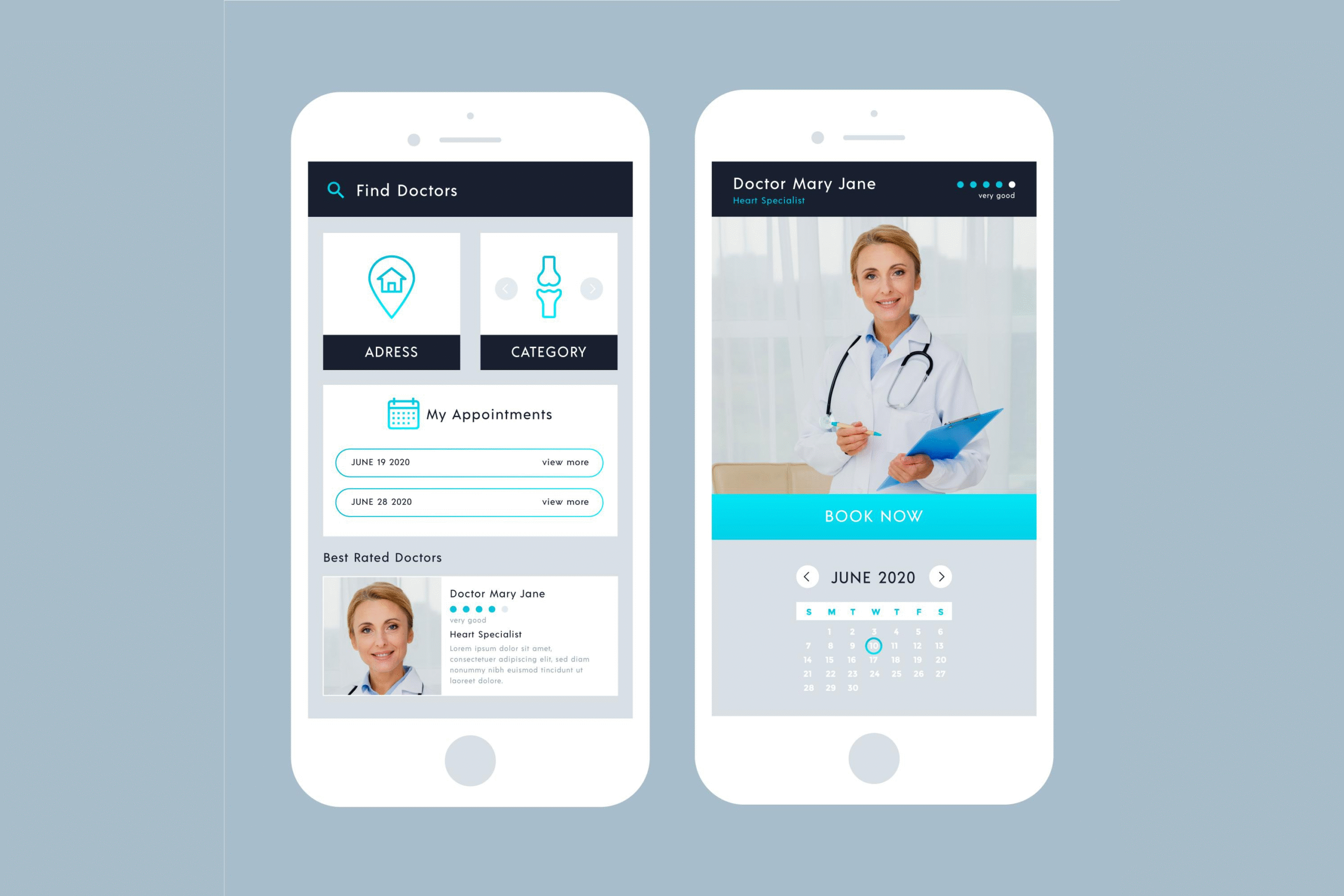
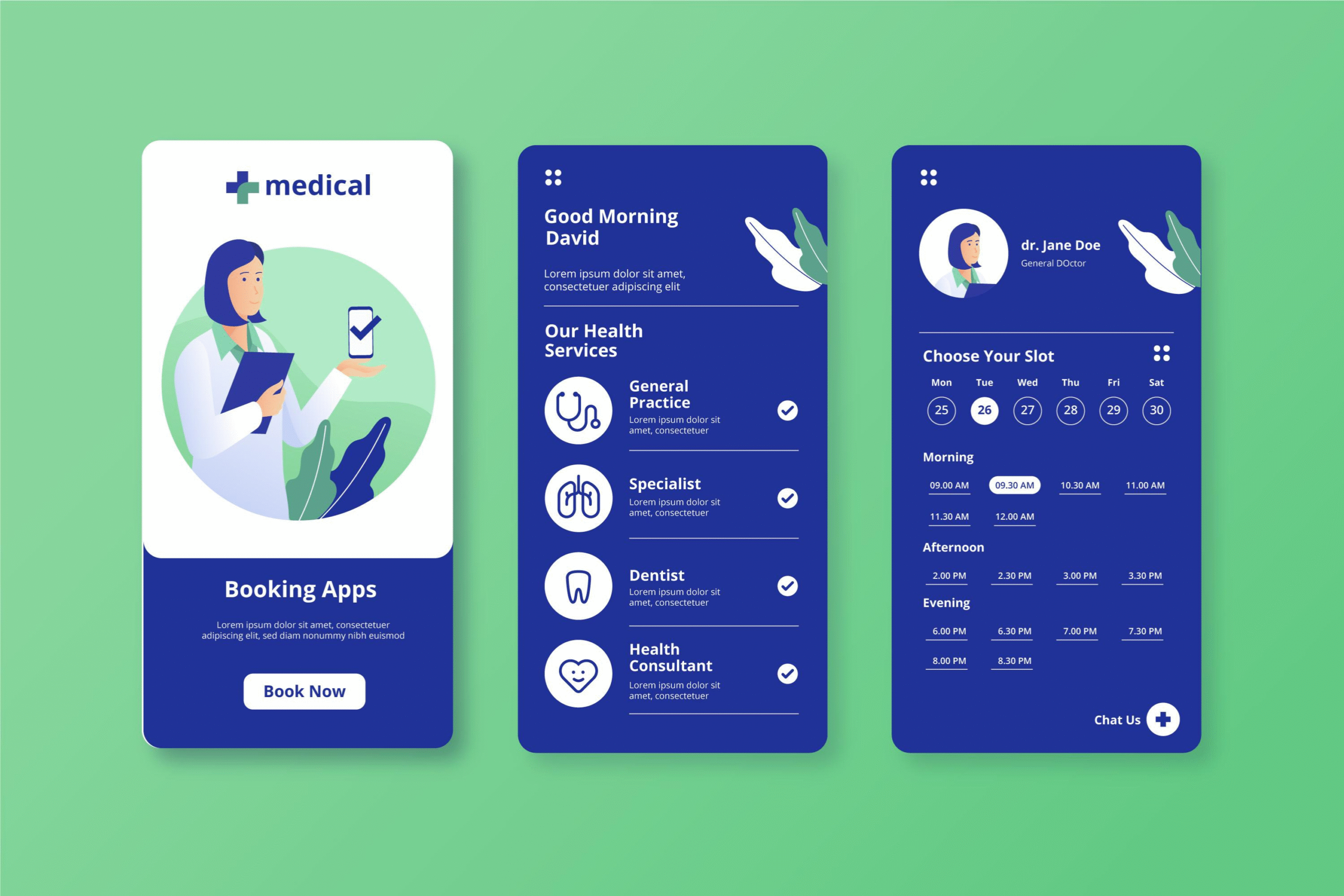
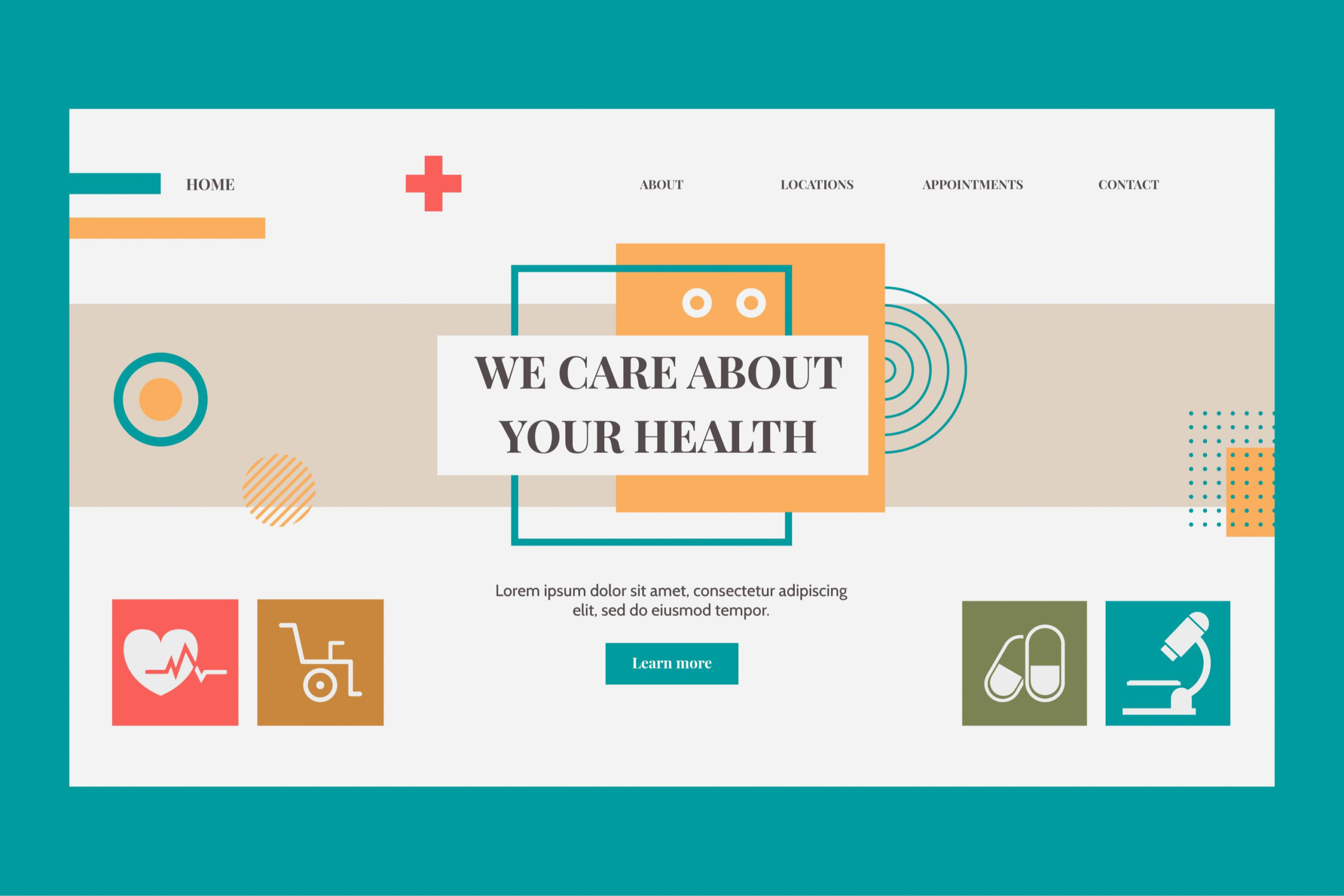
In today’s digital-first world, your healthcare website is often the first impression patients have of your practice. A poorly designed site can drive them away, while a patient-friendly, HIPAA-compliant, and secure website can build trust, attract new patients, and retain existing ones.
Whether you run a private clinic, therapy practice, or large healthcare facility, a well-designed medical website is no longer optional — it’s essential.
Unlike other industries, healthcare websites carry extra responsibility: they must balance user experience, compliance, and trust. Patients expect clear navigation, secure communication, and reliable information.
A great healthcare website:
Enhances patient engagement.
Protects sensitive health information.
Strengthens your brand identity.
✅Best Practices for Healthcare Website Design
1. Prioritize HIPAA Compliance & Security
AI doesn’t stop after the appointment. It delivers customized educational content, further automating patient engagement through follow-ups and reminders tailored to individual needs:
Protecting patient data is non-negotiable. Implement:
HTTPS encryption sitewide.
HIPAA-compliant hosting with a signed Business Associate Agreement (BAA).
Secure patient portals and encrypted intake forms.
Patients should find what they need in three clicks or less. Your website menu should include:
Services offered.
Appointment booking.
Insurance information.
Contact & location details.
💡 Pro Tip: Add a sticky navigation bar so important links are always visible.
3. Optimize for Mobile Devices
Over 70% of patients browse healthcare websites on their phones. Your site must be mobile-friendly with fast load times. Google even rewards mobile-optimized websites with better SEO rankings.
4. Use Patient-Centered Content
Content should be clear, empathetic, and written in plain language. Include:
FAQs.
Symptom-specific landing pages.
Patient education blogs.
Adding a blog section not only builds trust but also boosts SEO with fresh, relevant content.
Your healthcare website must follow ADA accessibility standards so all patients, including those with disabilities, can use it. Key features:
Screen-reader friendly text.
High-contrast color options.
Alt-text for images.
SEO Tips for Healthcare Websites 🔍
To attract more patients online, follow these SEO best practices:
Use local keywords.
Add structured data for doctors, clinics, and services.
Optimize images with descriptive alt tags.
Build internal links and external links.
Conclusion 🎯
A well-designed healthcare website is more than an online brochure — it’s a patient engagement tool, trust builder, and growth engine for your practice. By focusing on security, usability, and accessibility, you can attract new patients and retain loyal ones.
✅ Ready to upgrade your healthcare website? At AVSTE, we specialize in building HIPAA-compliant, patient-friendly healthcare websites that drive results.
Why is healthcare website design different from other industries?
Healthcare websites must balance user experience, HIPAA compliance, and patient trust. Unlike e-commerce or business sites, they handle sensitive patient information and must prioritize security, accessibility, and clarity to meet industry standards.
How does HIPAA compliance affect website design?
A HIPAA-compliant healthcare website ensures that all patient data is encrypted, stored securely, and only accessible to authorized users. This requires secure hosting, SSL certificates (HTTPS), and protected patient portals. Compliance not only avoids penalties but also builds patient confidence.
Do healthcare websites really need ADA accessibility features?
Yes. Under ADA accessibility standards, healthcare websites must be usable by people with disabilities. Features like screen-reader compatibility, high-contrast colors, and alt-text for images improve inclusivity and can also enhance SEO rankings.
What’s the average cost of building a healthcare website?
The cost of a professional healthcare website design can range widely depending on features.
How can SEO improve patient acquisition for clinics?
Implementing healthcare SEO best practices—such as using local keywords, publishing patient-centered blogs, and optimizing site speed—helps your website rank higher on Google. This increases visibility, attracts more patients, and improves long-term patient retention.